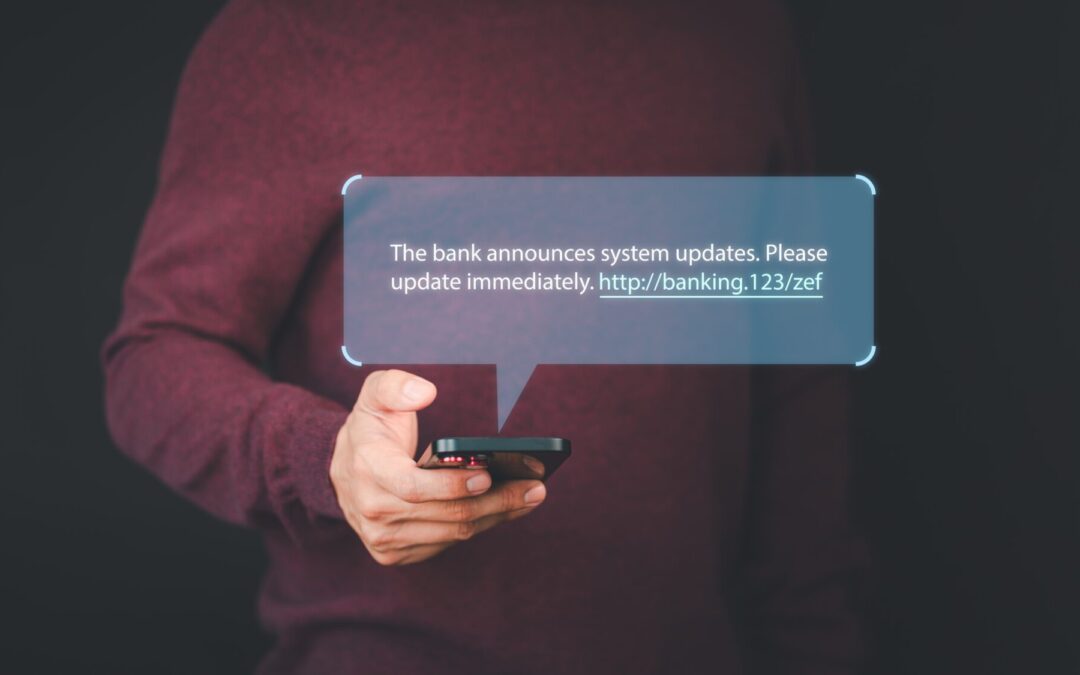
A CFO wires $1.2 million to a fake vendor. An engineer logs into a spoofed portal and hands over credentials. A support rep scans a QR code from a hallway poster and unknowingly gives attackers access to internal tools. These aren’t rare mistakes — they’re the result...
Even the most experienced users can get caught off guard. Scam tactics have evolved — they look more legitimate, they mimic trusted brands, and they exploit moments of inattention. Below are five of the most common scam types, how they work, and how to shut them down...
At GCS, we’ve always focused on helping clients run reliable, efficient IT environments. But over time, we noticed a gap — security was becoming the main concern in every conversation, and the way we delivered support wasn’t built for it. So we changed it. In this...
Security teams don’t get to control when a breach happens—only how they respond to it. A solid incident response plan gives you that control. It defines the structure, processes, and responsibilities needed to act quickly, contain the damage, and recover with minimal...